Chapter 4
Trade data and analytics
Reading shipment records and trade figures to size a market, find buyers and suppliers, and watch the rules for your products.
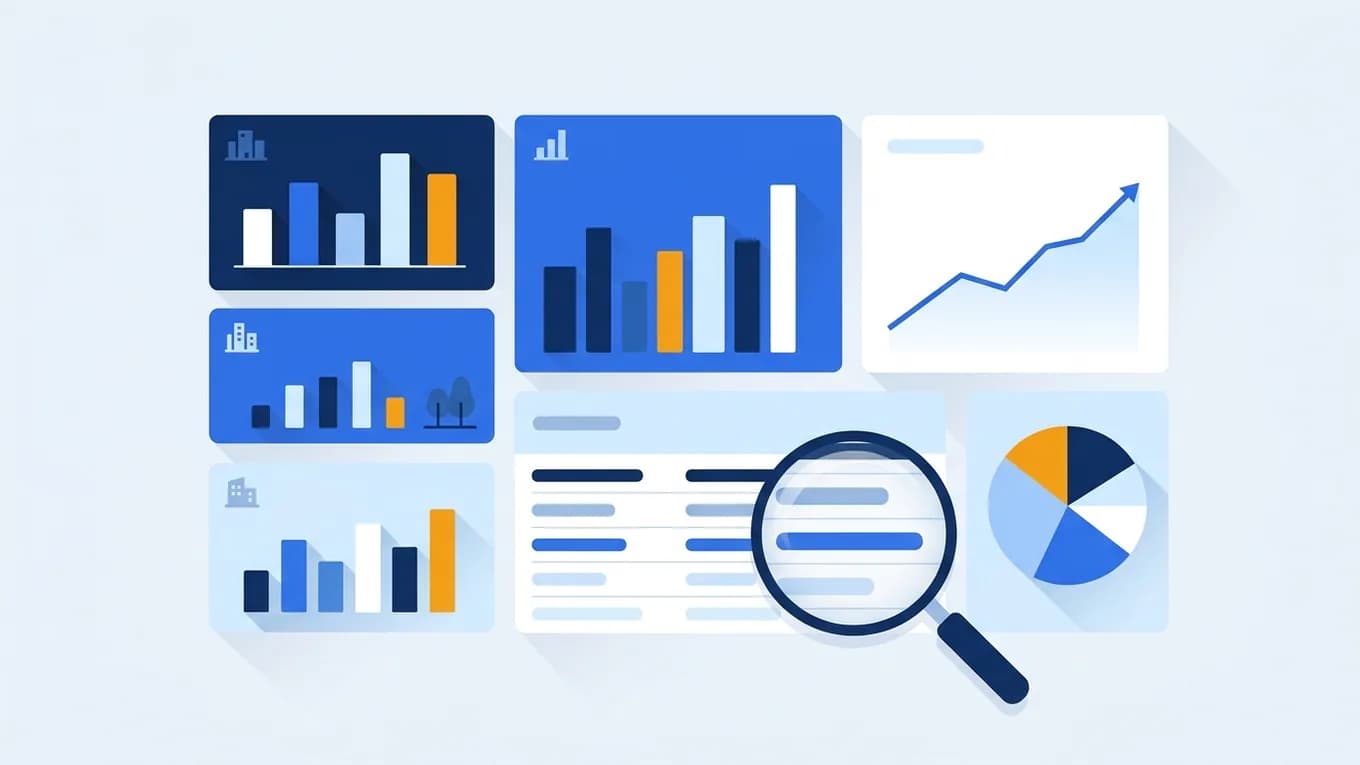
 Lesson 245 min readReading one shipment recordWhat each field of an Indian customs shipment record tells you, and the traps in descriptions, units and values that mislead first-time readers.
 Lesson 255 min readCIF and FOB values, unit price and quantityWhy imports are valued CIF and exports FOB, how to work out a unit price, and how to compare prices fairly across shipments and units.
 Lesson 264 min readMarket size, share and growth by countryHow to read a country's imports of your product, India's share of them and their growth, and why the 6-digit code and data delays matter.
 Lesson 274 min readFinding buyers and suppliers from shipmentsUse HS codes and descriptions in shipment records to find active importers and exporters, check them, and contact them with respect.
 Lesson 284 min readDuty in export marketsWhy the duty your buyer pays matters to you, how MFN and preferential rates differ, and what GSP, DCTS and extra duties like Section 301 change.
 Lesson 294 min readTracking rule changes for your HS codesWhere changes to duty, policy and standards come from, how to read a notice's dates, and a simple weekly routine to catch them in time.
 Lesson 304 min readBuilding a simple trade reportPut one HS code on one page: market size, top countries, buyers, price trend, duty and rules, each with its source and its date.
Trade Academy is education, not legal, tax or customs advice. Rules and rates change by notification: check the live source, or ask a licensed customs broker, before you act.